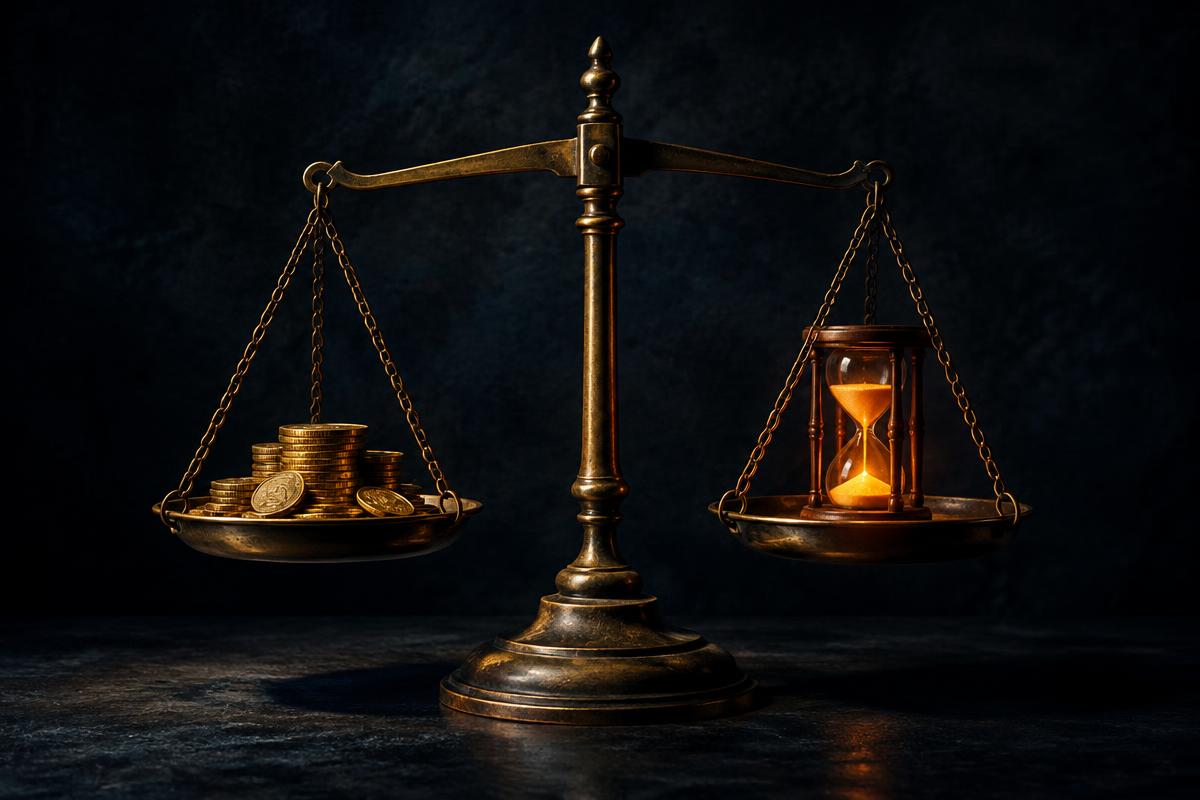
Confirmation Bias: Why Smart People Defend Bad Ideas
Intelligence doesn't protect you from bias — it can make you better at rationalizing it. A community essay on motivated reasoning.

Aniket Bhalerao Verified
Founder & Lead Analyst
Table of contents
Confirmation bias is the tendency to search for, interpret and remember information in ways that confirm what we already believe. It is not a flaw of the uneducated. Studies suggest that people with stronger reasoning skills can be even better at constructing arguments for conclusions they already hold.
The mind behaves less like a scientist and more like a lawyer — hired to defend a position, not to discover the truth.
How it shows up
- Following only sources that share your view.
- Holding opposing evidence to a much higher standard.
- Remembering the hits of a prediction and forgetting the misses.
“The first principle is that you must not fool yourself — and you are the easiest person to fool.”
Practical debiasing
Try This Week
- Steel-man one view you disagree with until its holder would approve.
- Ask 'what evidence would change my mind?' before debating.
- Follow one thoughtful voice from the opposite perspective.
None of these habits eliminate bias, but they introduce friction — and friction is where better thinking begins.
Written by
Aniket Bhalerao
Builder of CognitiveShadows. Writes on persuasion architecture, behavioral design and defensive psychology.